

APA YANG SEDANG ANDA CARI?
Industry Blog | November 2026
In today's competitive manufacturing industry, reducing production costs while maintaining product quality has become a major challenge for aluminum casting manufacturers.
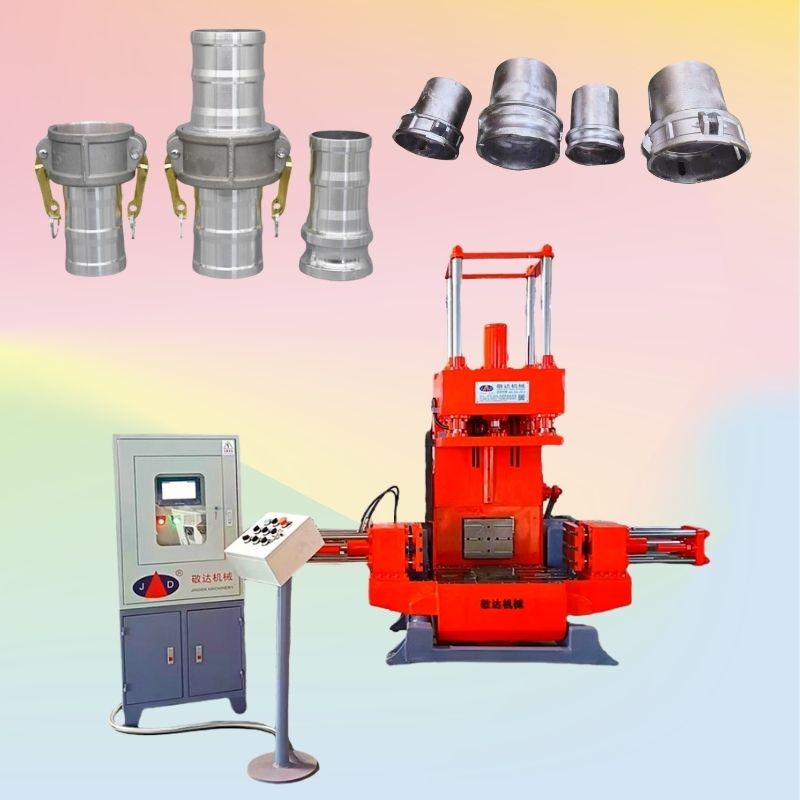
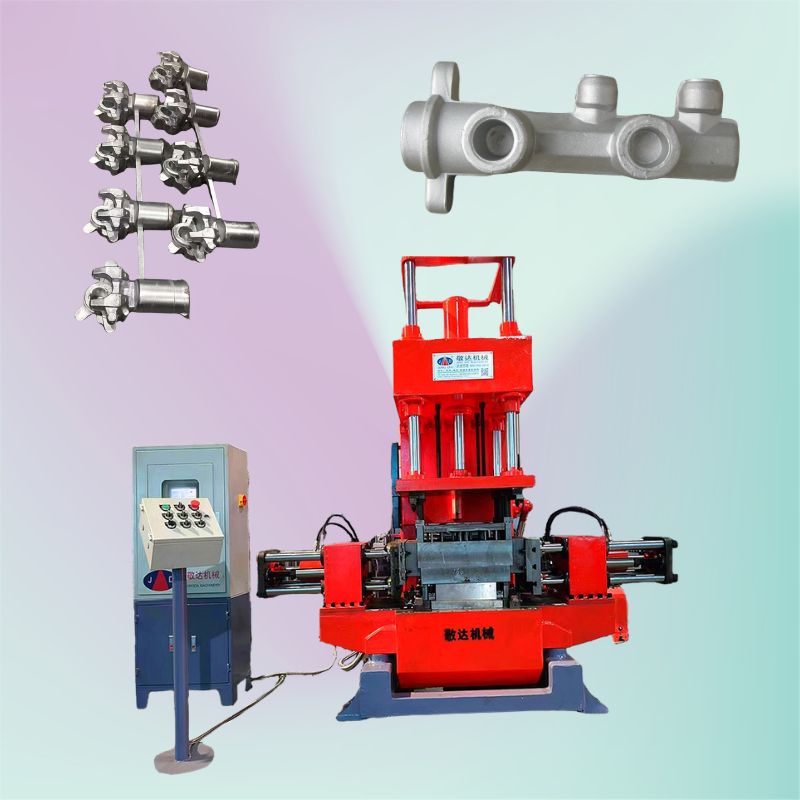
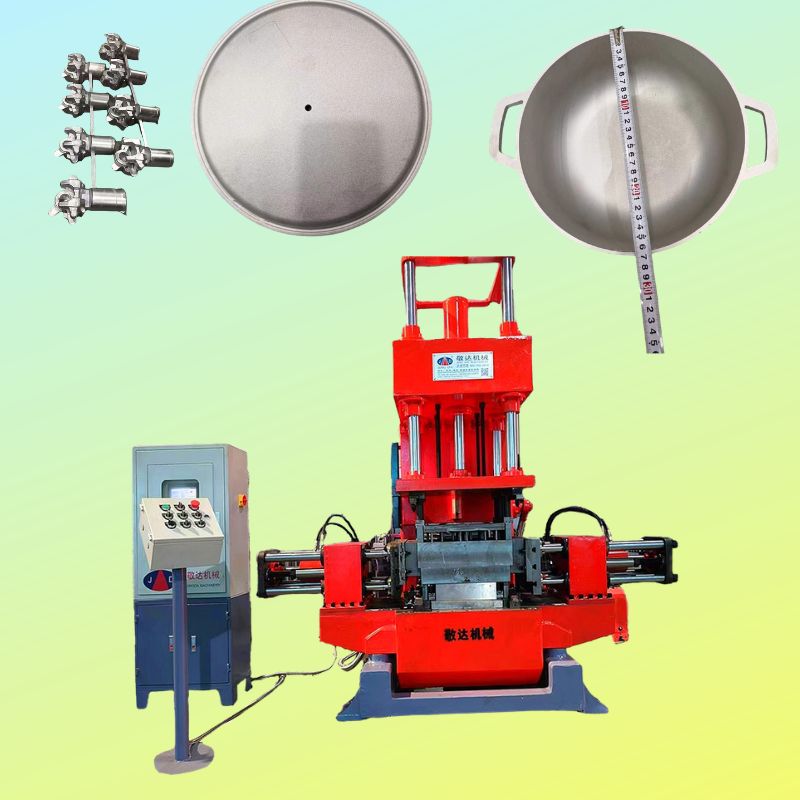
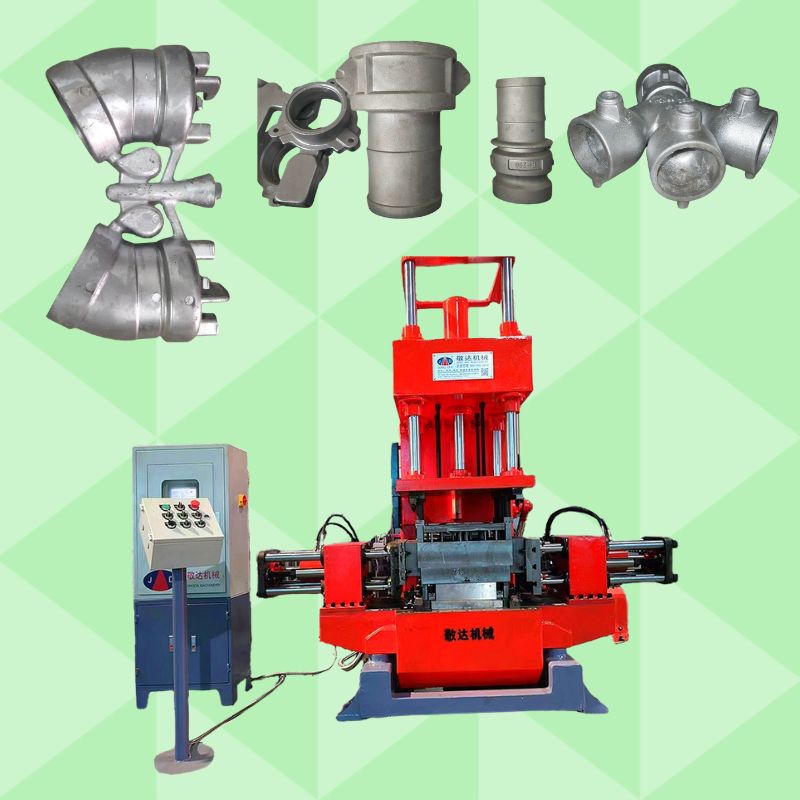
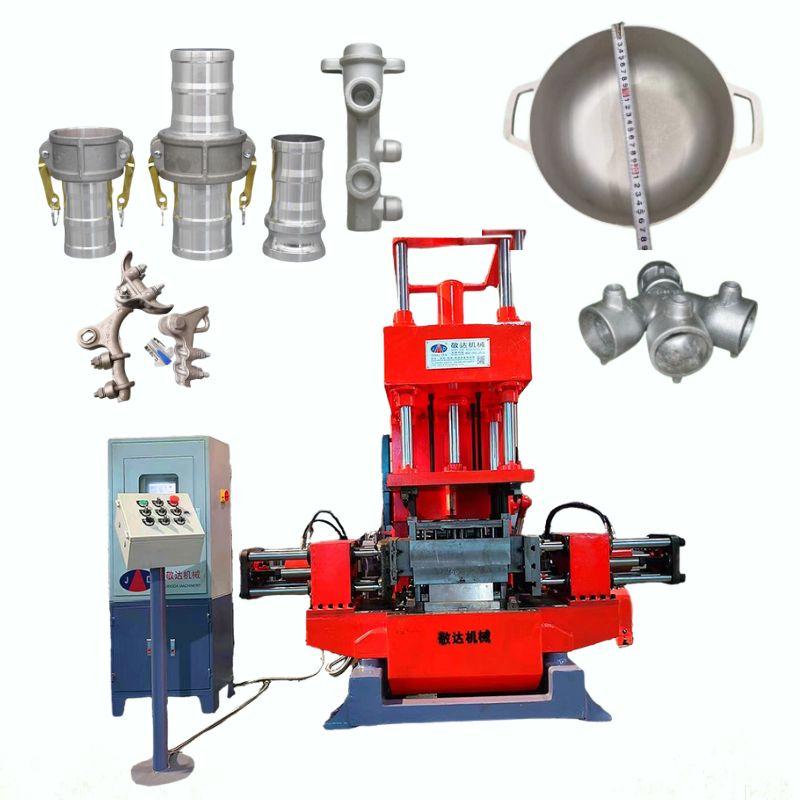
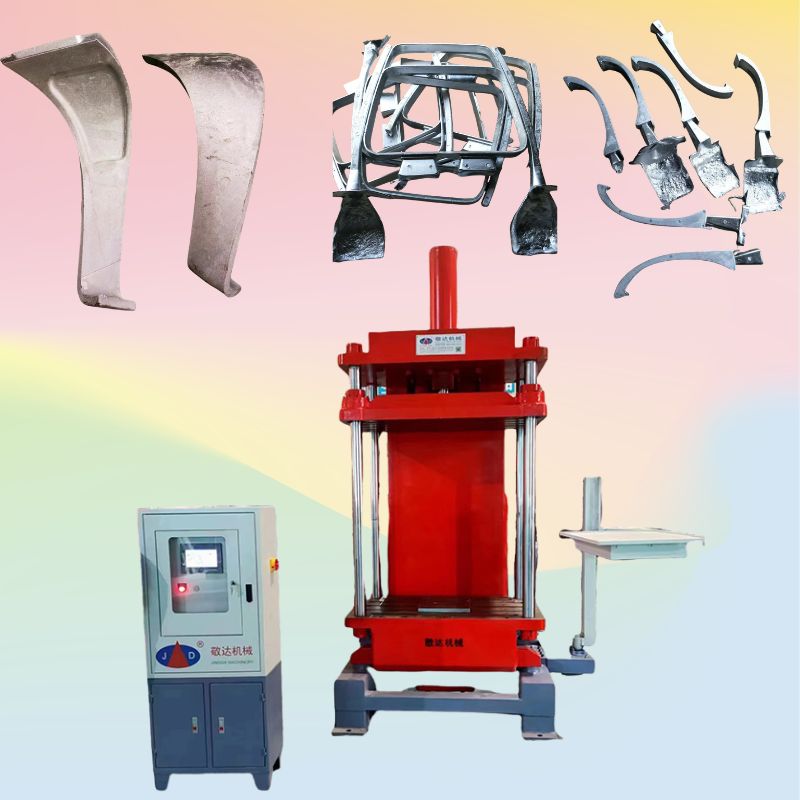
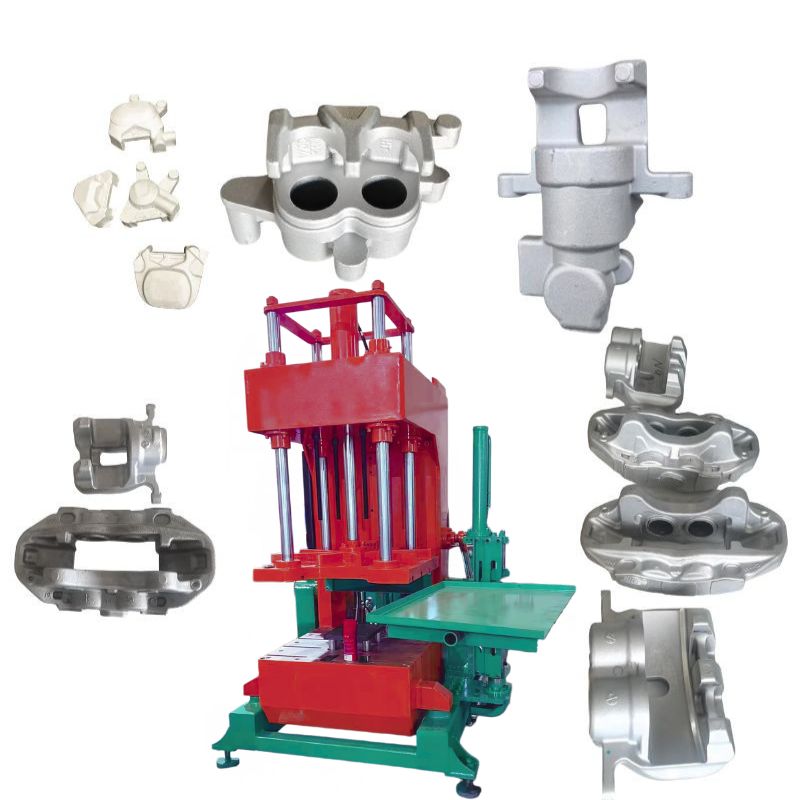
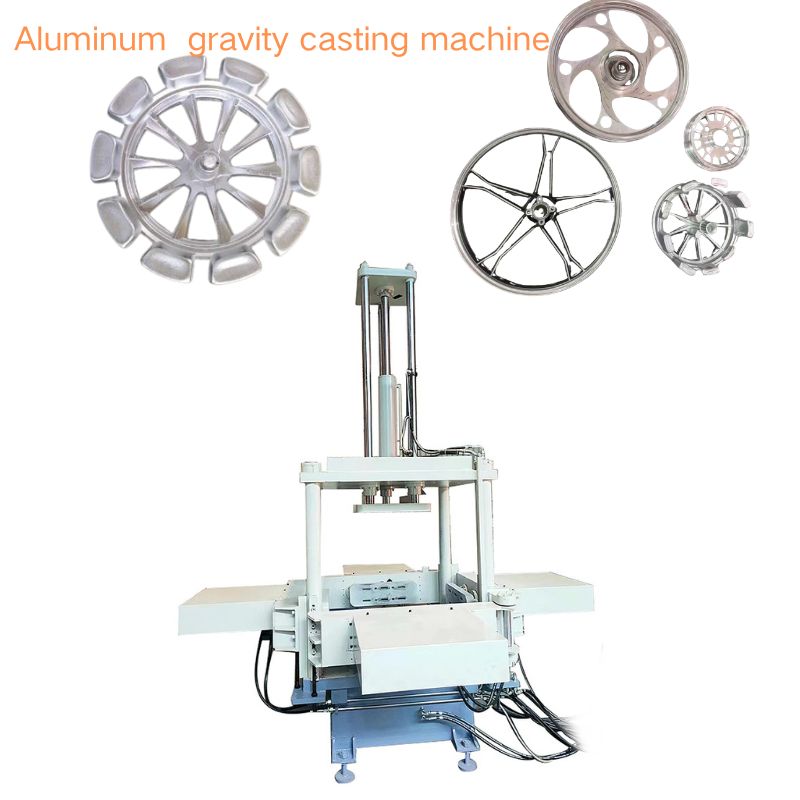
Aluminum gravity casting is widely used in automotive components, water pumps, electrical equipment, industrial machinery, and other applications.
By optimizing casting processes, improving equipment efficiency, and selecting suitable gravity casting machines, manufacturers can reduce unnecessary expenses and improve overall production profitability.
So, how can aluminum gravity casting help reduce production costs?
Material waste is one of the major factors affecting manufacturing costs.
Poor casting conditions, improper pouring temperatures, unsuitable mold designs, and unstable operating procedures can lead to defects such as porosity, shrinkage, and incomplete filling.
These problems increase scrap rates and result in additional material and labor costs.
Using suitable gravity casting equipment and optimizing process parameters can help improve mold filling, reduce casting defects, and increase the percentage of qualified products.
Better process control means less wasted aluminum and lower production costs.
Production efficiency directly affects the manufacturing cost of each casting.
Traditional manual operations may involve inconsistent working cycles, unnecessary waiting time, and high labor requirements.
Modern gravity casting machines can help manufacturers improve production efficiency through more stable operating cycles and optimized mold opening, closing, and tilting operations.
Depending on the product structure and production requirements, manufacturers can also consider mechanical assistance or automated production configurations.
Higher productivity allows factories to produce more qualified castings within the same working hours, helping reduce the production cost per unit.
Labor costs are an important part of foundry operating expenses.
As manufacturing companies face increasing pressure to improve productivity, automation has become an important option.
Automated gravity casting machines can reduce repetitive manual operations and improve production consistency.
For example, mechanical mold opening and closing, automatic tilting, and coordinated pouring systems can help reduce operator workload.
However, the appropriate level of automation should be determined according to production volume, product complexity, and investment budget.
The goal is not simply to purchase more automated equipment, but to achieve a better balance between investment and production efficiency.
Molds are important production assets in aluminum gravity casting.
Improper mold operation, excessive thermal stress, poor maintenance, and unsuitable casting parameters can shorten mold service life.
To reduce mold-related costs, manufacturers should:
Select suitable mold materials.
Maintain appropriate preheating temperatures.
Follow correct mold operating procedures.
Clean and inspect molds regularly.
Avoid unnecessary thermal shock.
Maintain stable casting parameters.
Proper mold maintenance helps reduce repair expenses, avoid production interruptions, and improve long-term manufacturing efficiency.
Selecting an unsuitable machine can create unnecessary costs, including low production efficiency, equipment limitations, and expensive modifications.
Before purchasing a gravity casting machine, manufacturers should evaluate:
Product dimensions and weight.
Mold size and structure.
Required production capacity.
Casting process requirements.
Available workshop space.
Automation requirements.
After-sales service and technical support.
A machine that matches the actual production requirements can help manufacturers avoid overinvestment while maintaining reliable production performance.
Reducing production costs is not only about purchasing new machines.
Manufacturers should also pay attention to daily production management, including:
Monitoring aluminum melting temperatures.
Standardizing pouring procedures.
Recording casting defect rates.
Maintaining equipment regularly.
Training operators.
Analyzing material consumption and production efficiency.
Combining suitable equipment with effective production management can create greater cost-saving opportunities.
Reducing aluminum gravity casting costs requires a combination of suitable equipment, optimized production processes, effective mold maintenance, and proper production management.
By reducing material waste, improving production efficiency, controlling labor expenses, and extending mold service life, manufacturers can improve product quality while lowering overall manufacturing costs.
For foundries planning to upgrade their production capabilities, choosing the right gravity casting machine is an important investment in long-term competitiveness.
Jingda Machinery provides aluminum and copper alloy gravity casting machines, core shooting machines, and shell core machines for foundries worldwide.
We are committed to helping casting manufacturers improve production efficiency and build more reliable manufacturing solutions.
Contact Jingda Machinery to discuss your casting equipment requirements.