

APA YANG SEDANG ANDA CARI?
Gravity casting is widely used in the production of aluminum alloy components for automotive parts, water pumps, industrial machinery, electrical equipment, and other applications. It offers good mechanical properties, reliable dimensional accuracy, and relatively low production costs.
However, casting defects can still occur during production. Porosity, shrinkage cavities, cold shuts, cracks, and surface defects may affect product quality, increase scrap rates, and raise manufacturing costs.
Understanding the causes of these defects and applying the right corrective measures are essential for improving production efficiency and maintaining consistent casting quality.
## 1. Gas Porosity: Improve Molten Metal Quality
Gas porosity is one of the most common defects in aluminum gravity casting. It appears as small holes or cavities inside the casting and may become visible after machining.
**Main Causes:**
- Excessive hydrogen content in molten aluminum.
- Moisture or contamination in the melting process.
- Turbulent metal flow during pouring.
- Poor mold venting.
- Inadequate degassing treatment.
**Solutions:**
- Use proper degassing equipment to reduce hydrogen content.
- Keep melting tools, molds, and ladles clean and dry.
- Optimize the pouring process to reduce turbulence.
- Improve mold venting and exhaust channels.
- Establish consistent molten metal temperature and treatment procedures.
Good molten metal management is the first step toward reducing internal porosity and improving casting reliability.
## 2. Shrinkage Defects: Optimize Mold Design and Feeding
Shrinkage occurs when molten aluminum contracts during solidification but does not receive sufficient additional liquid metal to compensate for volume reduction.
It commonly appears in thick sections, junctions, and areas where cooling is slower.
**Main Causes:**
- Uneven wall thickness.
- Poor riser or feeding system design.
- Localized hot spots inside the mold.
- Unbalanced cooling conditions.
**Solutions:**
- Maintain relatively uniform wall thickness in product design.
- Optimize the riser and feeding system.
- Use cooling channels or chills where appropriate.
- Adjust mold temperature and cooling conditions.
- Analyze the solidification sequence to ensure adequate feeding.
A well-designed mold helps molten metal solidify in a controlled direction and reduces the possibility of shrinkage cavities.
## 3. Cold Shut: Control Pouring Temperature and Metal Flow
A cold shut occurs when two streams of molten metal meet but fail to fuse properly. It usually appears as a visible line or seam on the casting surface.
**Main Causes:**
- Low molten metal temperature.
- Low mold temperature.
- Slow or interrupted filling.
- Poor gating system design.
- Excessive heat loss during pouring.
**Solutions:**
- Maintain an appropriate pouring temperature for the selected alloy.
- Preheat the mold to a suitable working temperature.
- Optimize the gating system to ensure smooth metal flow.
- Avoid unnecessary interruptions during pouring.
- Adjust the pouring speed and mold movement according to the product structure.
For gravity casting, stable and continuous filling is particularly important for producing complete castings.
## 4. Hot Cracks: Improve Cooling Conditions
Hot cracks may develop during the solidification process when the casting is unable to contract freely. They are often found around sharp corners, thick-to-thin transitions, and complex structural areas.
**Main Causes:**
- Uneven cooling rates.
- Excessive restrictions on casting contraction.
- Poor product structure design.
- Inappropriate mold temperature distribution.
**Solutions:**
- Add rounded corners and suitable fillets to the product design.
- Improve the uniformity of wall thickness.
- Optimize mold cooling and temperature distribution.
- Review mold structure to reduce unnecessary restrictions.
- Select suitable alloy compositions and solidification conditions.
Proper mold design and balanced cooling can significantly reduce the risk of cracking.
## 5. Surface Defects: Improve Mold Maintenance
Surface defects may include rough surfaces, oxide marks, sand inclusions, and metal sticking to the mold. These problems can affect the appearance and subsequent machining of aluminum castings.
**Main Causes:**
- Dirty or damaged mold surfaces.
- Inadequate mold coating or release agent application.
- Oxidized or contaminated molten metal.
- Improper mold temperature.
- Poor mold maintenance.
**Solutions:**
- Clean the mold cavity regularly.
- Inspect mold surfaces and repair damaged areas.
- Apply suitable mold coatings or release agents.
- Remove slag and oxide films from molten aluminum properly.
- Establish regular mold inspection and maintenance schedules.
A clean and well-maintained mold helps improve surface quality and extend mold service life.
## 6. The Importance of Gravity Casting Equipment
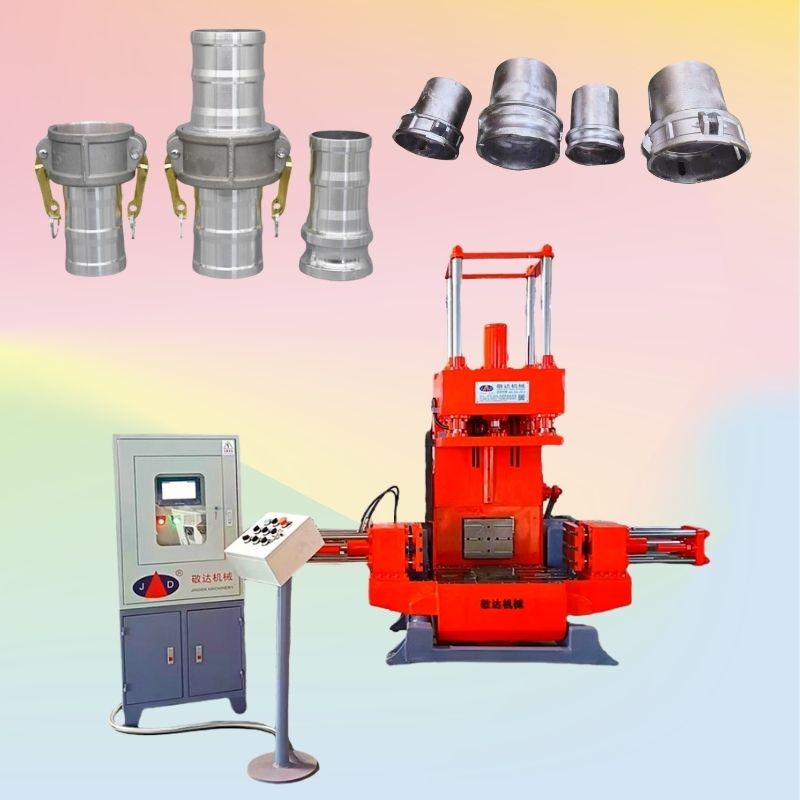
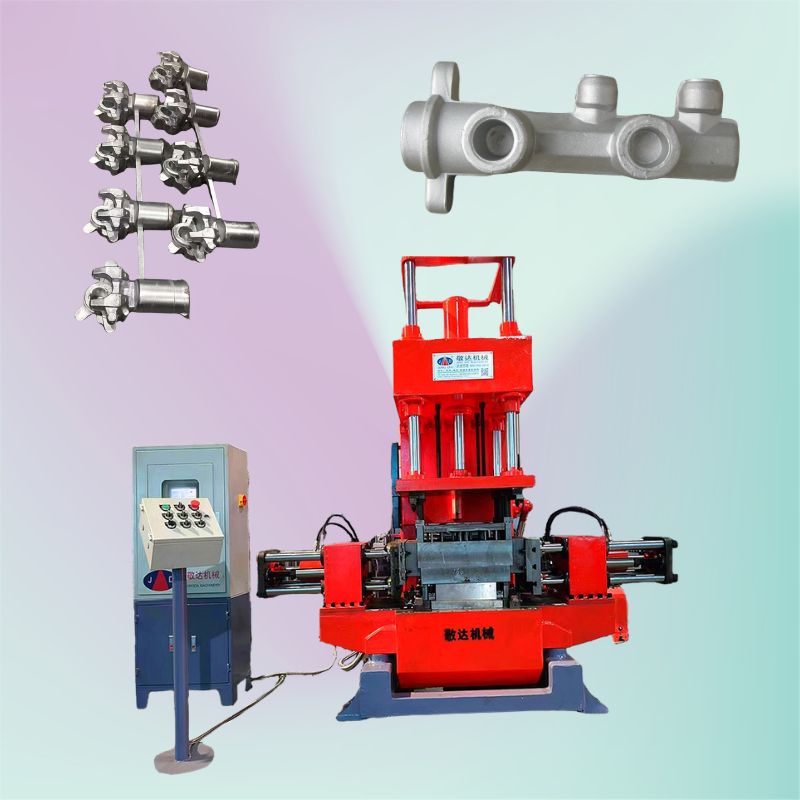
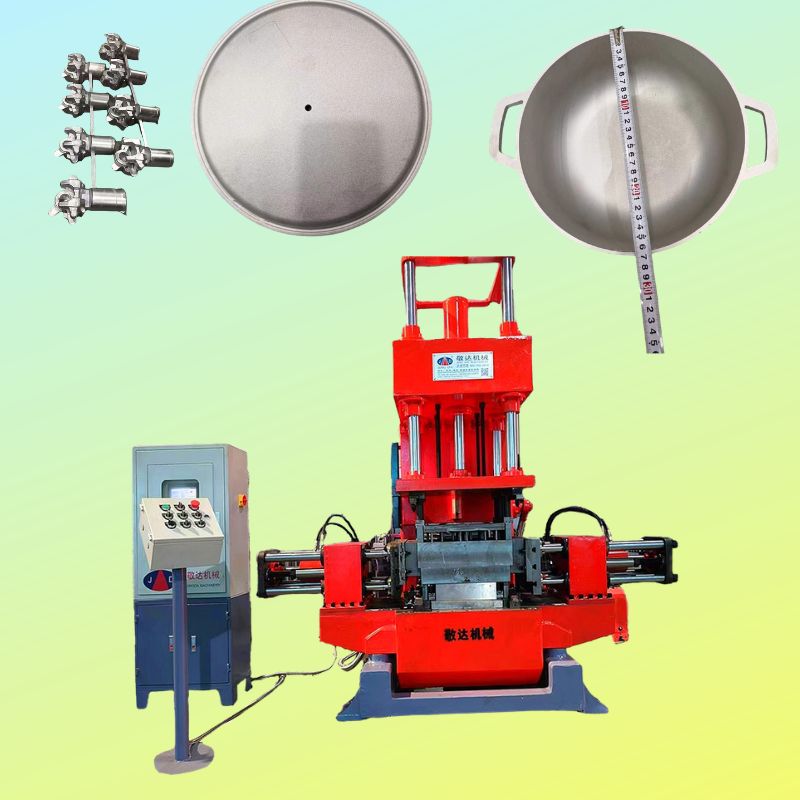
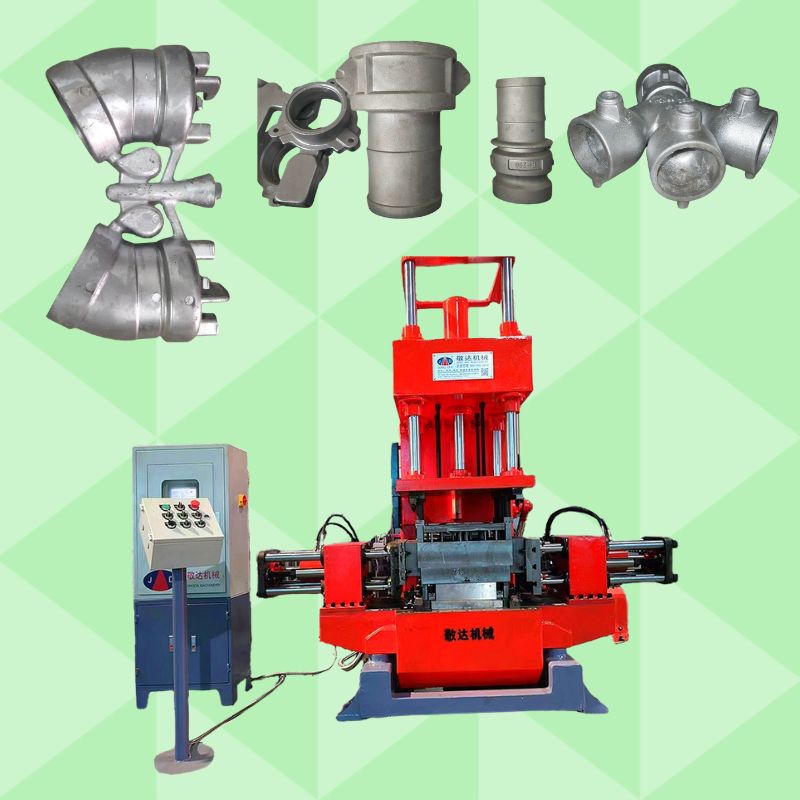
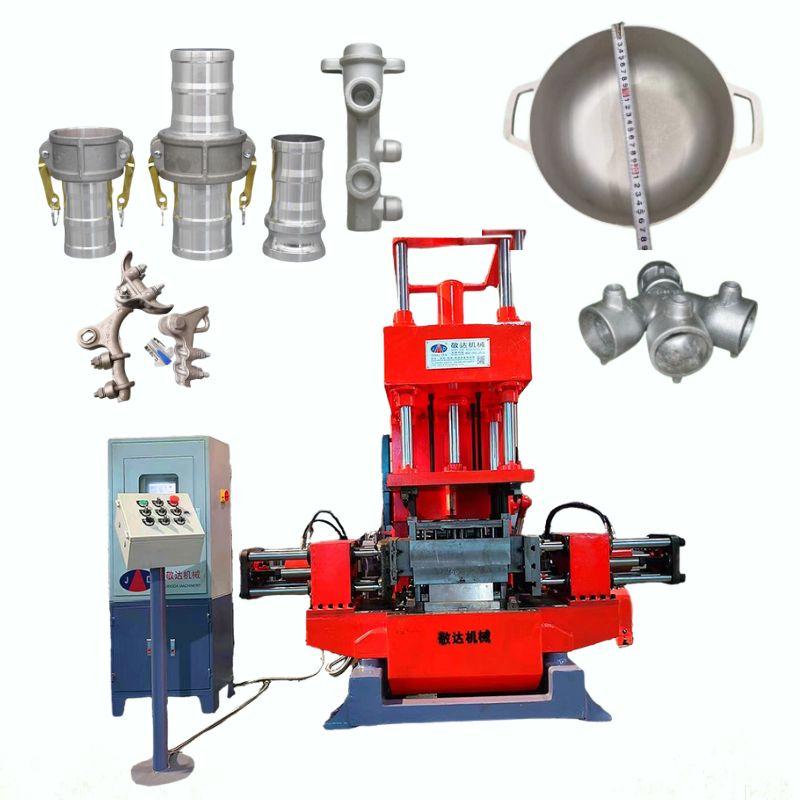
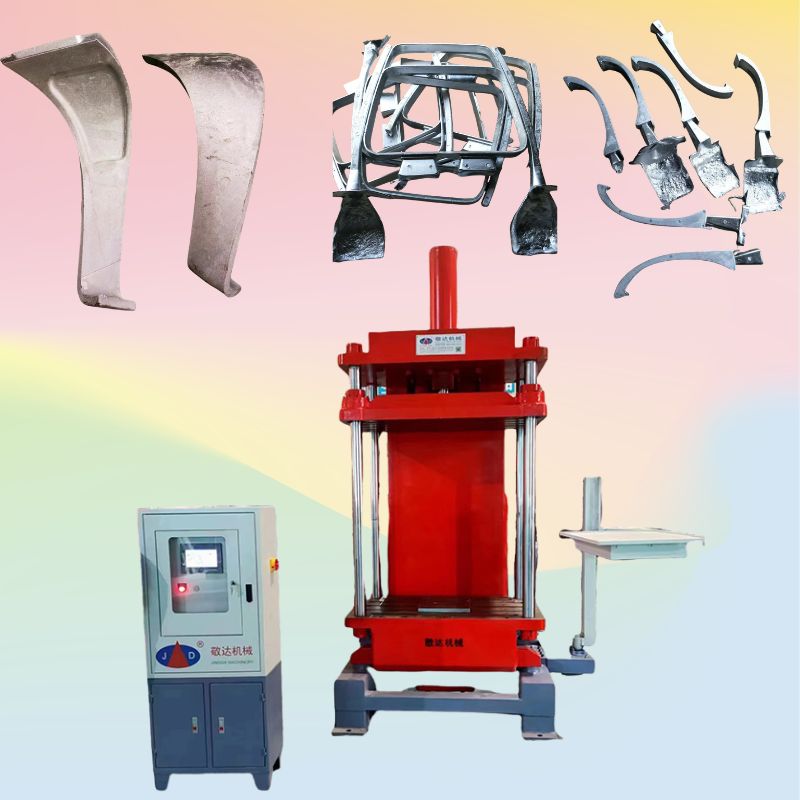
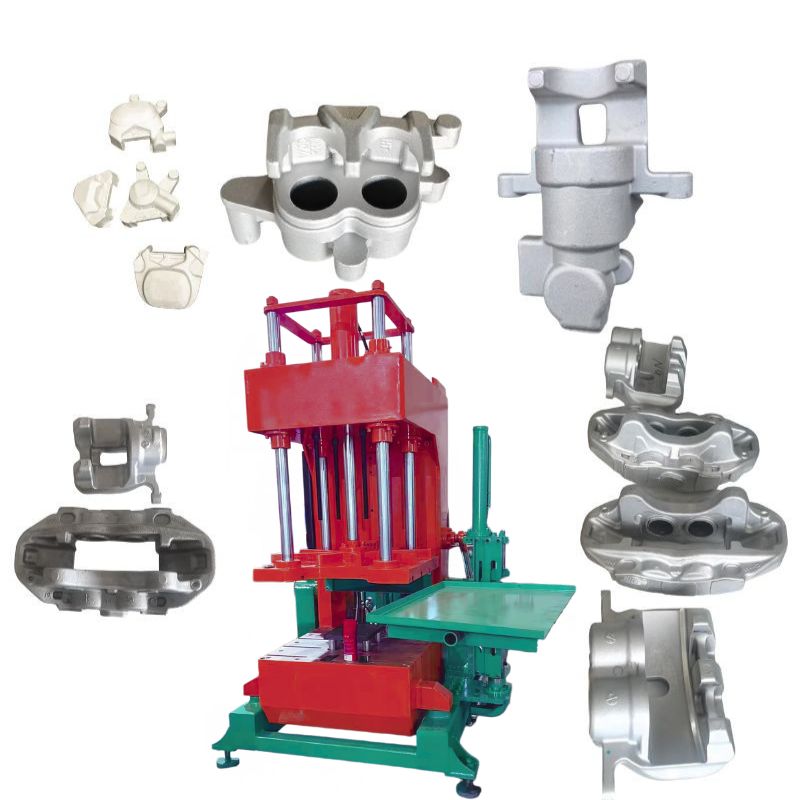
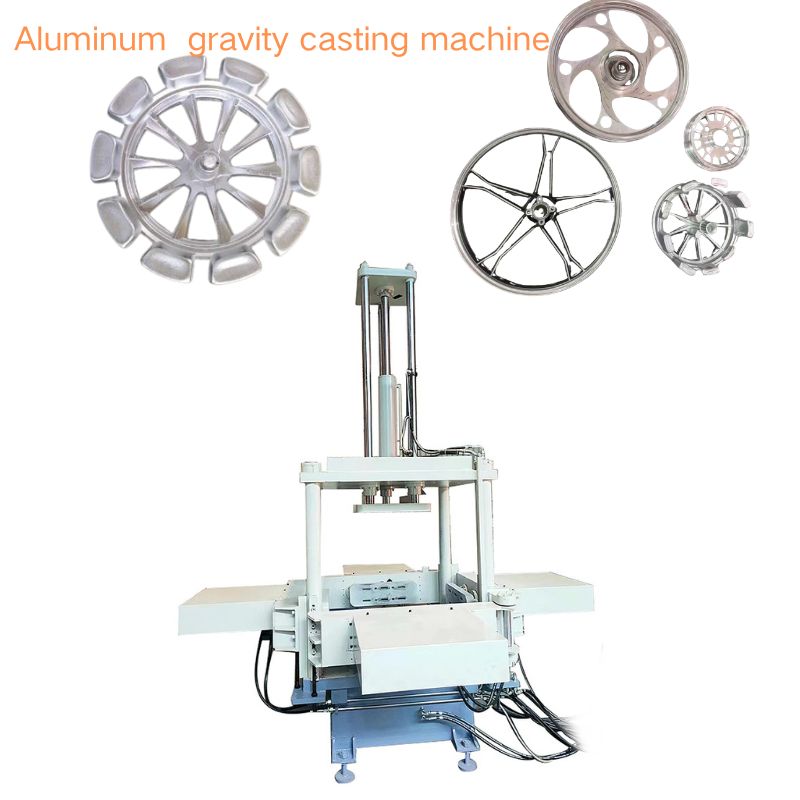
In addition to raw material quality and mold design, casting equipment plays an important role in production stability.
Modern gravity casting machines can help manufacturers achieve:
- More consistent mold opening and closing operations.
- Controlled mold tilting and pouring movements.
- Improved production repeatability.
- Reduced dependence on manual operations.
- Better production efficiency and workplace safety.
For manufacturers producing complex aluminum alloy components, selecting suitable gravity casting equipment is an important investment in long-term production quality.
## Conclusion: Better Process Control Means Better Casting Quality
Most gravity casting defects are related to molten metal quality, mold design, temperature control, filling conditions, and production management.
There is no single solution for every casting defect. Manufacturers should identify the actual root cause before adjusting production parameters.
By combining proper melting treatment, optimized mold design, stable pouring operations, and reliable gravity casting equipment, foundries can reduce scrap rates, improve product consistency, and achieve more efficient production.
**Choosing the right gravity casting machine and maintaining a stable casting process are important steps toward higher-quality aluminum alloy products.
Key words:Aluminum Gravity Casting Defects、Gravity Casting Defect Solutions、Aluminum Casting Porosity Prevention、Aluminum Casting Shrinkage Defects、Cold Shut in Gravity Casting、Aluminum Gravity Casting Process、Gravity Casting Mold Design、Aluminum Casting Quality Control