

APA YANG SEDANG ANDA CARI?
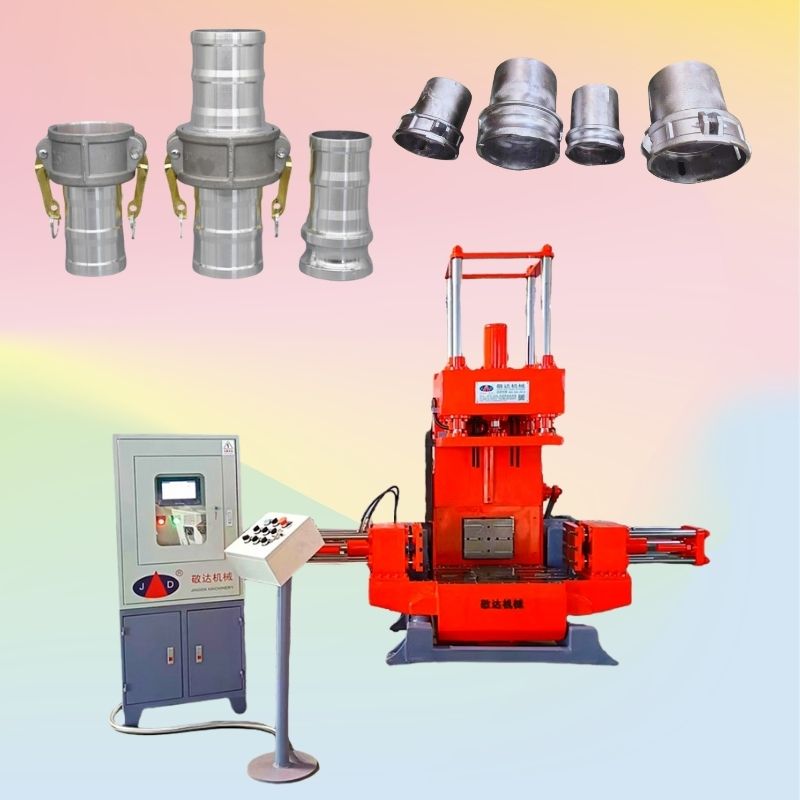
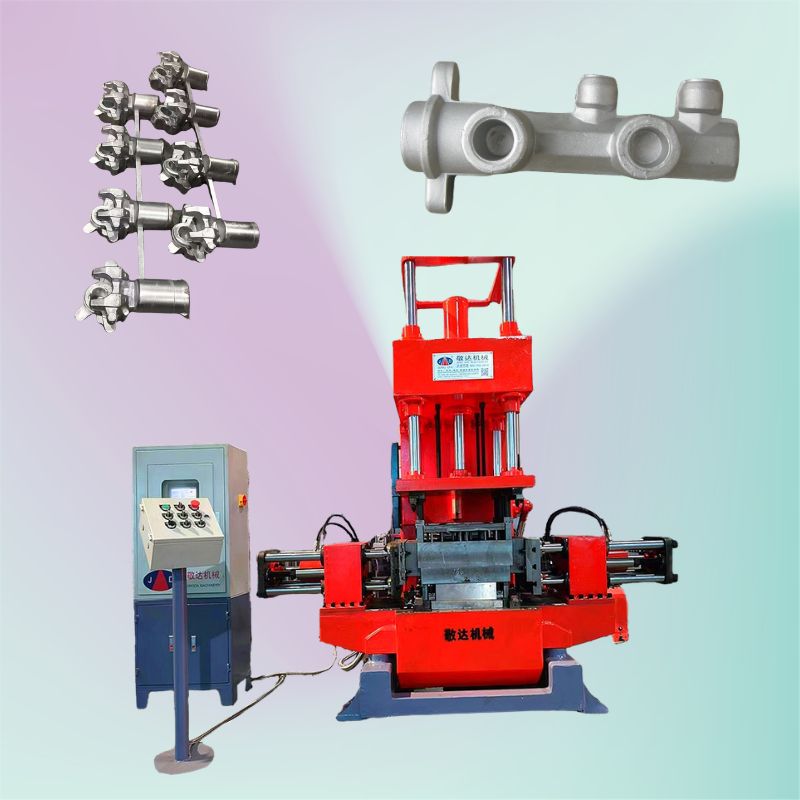
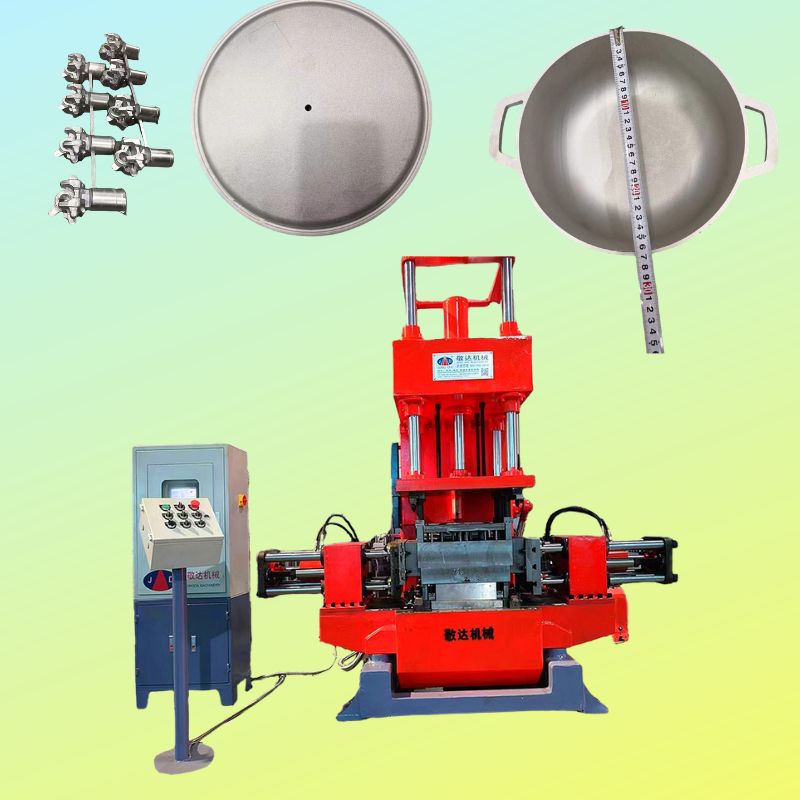
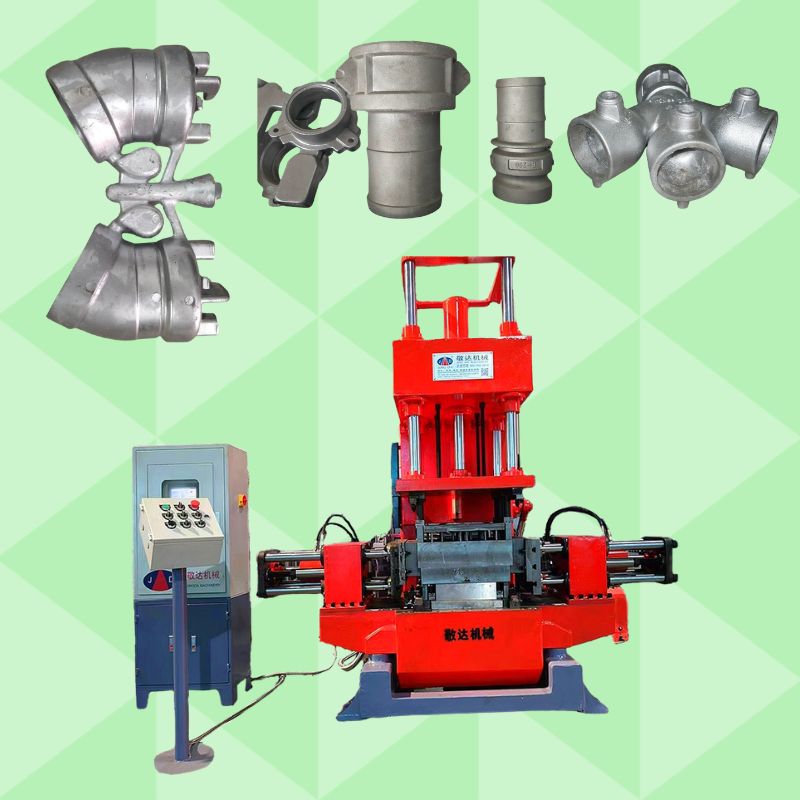
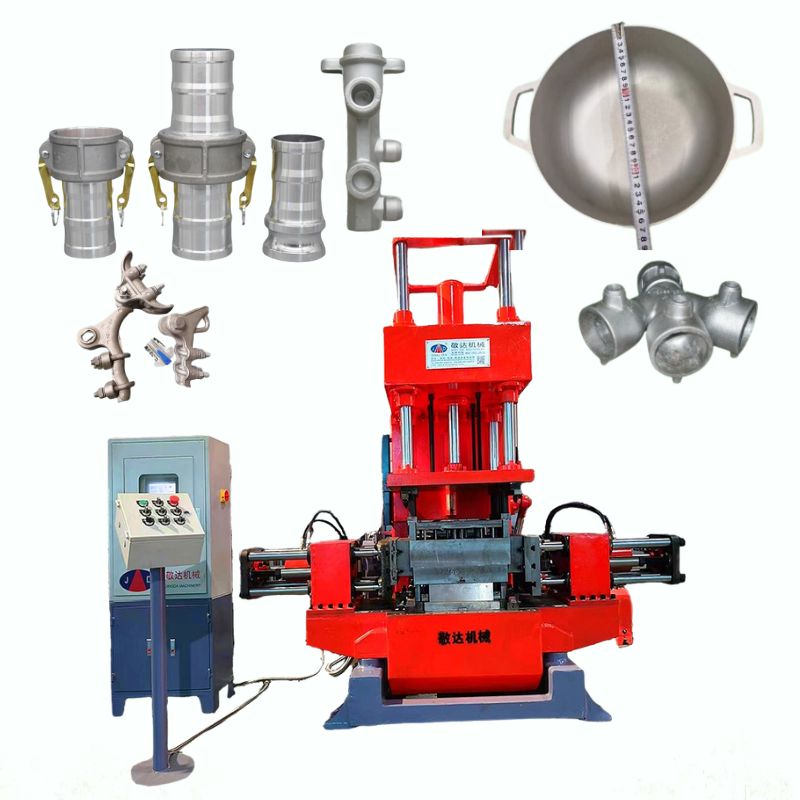
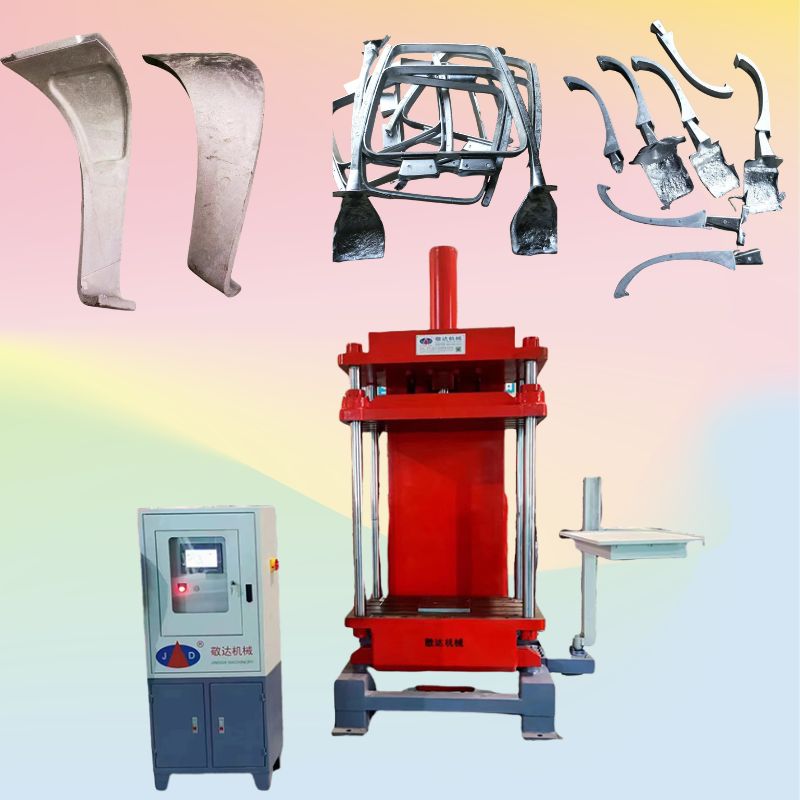
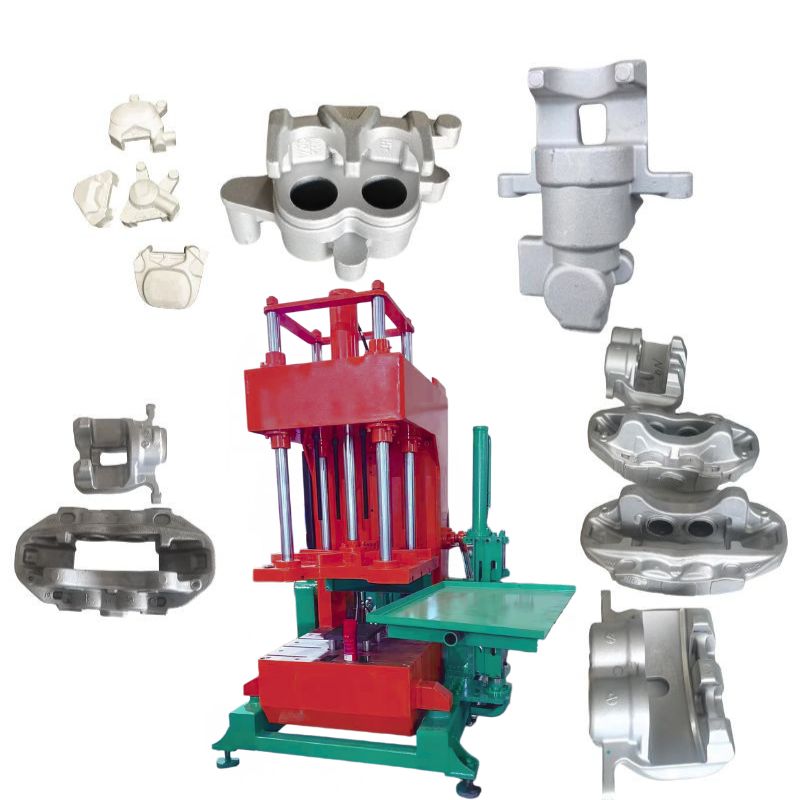
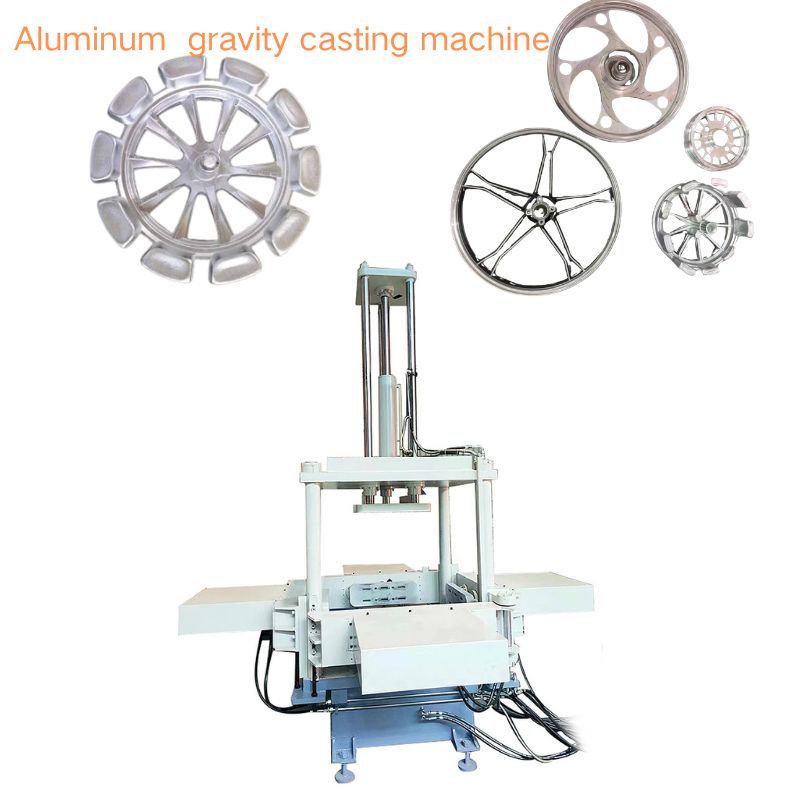
Mesin pengecoran gravitasi adalah peralatan yang menggunakan gravitasi bumi untuk menuangkan logam cair ke dalam cetakan untuk dibentuk dan banyak digunakan dalam produksi coran berbentuk kompleks. Dibandingkan dengan proses pengecoran lainnya, pengecoran gravitasi memiliki keunggulan peralatan yang sederhana, biaya rendah, dan akurasi produk jadi yang tinggi, menjadikannya teknologi penting di bidang pengecoran logam. Artikel ini akan membahas prinsip kerja, fitur struktural, area aplikasi, dan tren perkembangan mesin pengecoran gravitasi.
1. Prinsip Kerja Mesin Pengecoran Gravitasi
Prinsip inti dari mesin pengecoran gravitasi adalah memungkinkan logam cair mengalir secara alami ke dalam cetakan yang telah disiapkan di bawah pengaruh gravitasi, membentuk coran melalui pendinginan dan pembekuan. Proses ini umumnya meliputi langkah-langkah berikut:
Persiapan Cetakan
Sebelum proses pengecoran sebenarnya, cetakan perlu dipanaskan terlebih dahulu untuk mencegah cacat yang disebabkan oleh pendinginan cepat logam cair. Bahan pelepas juga harus diaplikasikan untuk mempermudah pelepasan hasil coran.
Peleburan Logam
Bahan mentah (logam atau paduan) dipanaskan di atas titik lelehnya untuk mengubahnya menjadi bentuk cair. Peleburan biasanya dilakukan menggunakan tungku induksi atau tungku resistansi.
Menuangkan Logam Cair
Logam cair dituangkan ke dalam cetakan melalui sistem saluran masuk, mengandalkan gravitasi untuk mengisi rongga cetakan secara alami. Tidak seperti pengecoran bertekanan, pengecoran gravitasi tidak memerlukan tekanan tambahan.
Pendinginan dan Pembekuan
Logam tersebut mendingin dan mengeras di dalam cetakan, akhirnya membentuk coran yang sesuai dengan bentuk rongga cetakan.
Pelepasan Pengecoran
Setelah mendingin, hasil coran dikeluarkan dari cetakan dan menjalani proses selanjutnya, seperti pemotongan, pemolesan, atau perlakuan panas.
2. Fitur Struktural Mesin Pengecoran Gravitasi
Mesin pengecoran gravitasi hadir dalam berbagai bentuk tergantung pada tujuan dan desainnya, tetapi pada umumnya terdiri dari komponen-komponen berikut:
Perangkat Penjepit Cetakan
Digunakan untuk mengamankan cetakan dan memastikan penyegelan yang baik untuk mencegah kebocoran logam cair selama proses pengecoran.
Sistem Penuangan
Mencakup desain saluran masuk, saluran naik, dan saluran pengalir, yang bertujuan untuk mengarahkan aliran logam ke dalam rongga cetakan sambil meminimalkan turbulensi dan inklusi.
Sistem Kontrol
Mesin pengecoran gravitasi modern seringkali dilengkapi dengan sistem CNC, yang secara presisi mengontrol kecepatan penuangan, suhu, dan waktu untuk meningkatkan kualitas pengecoran.
Sistem Pendingin
Cetakan biasanya memiliki saluran pendingin yang dirancang untuk mengatur laju pendinginan, mencegah retak atau deformasi yang disebabkan oleh perbedaan suhu yang berlebihan.
Perangkat Keselamatan
Mencakup perlindungan terhadap panas berlebih, luapan, dan kesalahan pengoperasian, untuk memastikan pengoperasian peralatan yang aman.
3. Bidang Aplikasi Mesin Pengecoran Gravitasi
Mesin pengecoran gravitasi banyak digunakan di berbagai industri, khususnya di bidang yang membutuhkan komponen dengan presisi tinggi dan kekuatan tinggi, termasuk:
Manufaktur Otomotif
Memproduksi blok mesin, piston, dan hub roda, yang membutuhkan struktur kompleks dan kekuatan tinggi.
Dirgantara
Memproduksi komponen logam ringan dan tahan panas, seperti bilah turbin dan komponen struktural.
Mesin
Pengecoran roda gigi, rumah pompa, dan badan katup, memastikan ketahanan aus dan stabilitas.
Peralatan Rumah Tangga
Memproduksi heat sink dari paduan aluminium, komponen kompor gas, dan banyak lagi.
Produksi Seni dan Kerajinan
Digunakan untuk mencetak barang-barang dekoratif yang rumit, seperti patung dan ornamen.
4. Keunggulan Mesin Pengecoran Gravitasi
Kualitas Produk Tinggi
Hasil pengecoran dari mesin pengecoran gravitasi memiliki kepadatan dan presisi yang tinggi, sehingga cocok untuk pembuatan komponen yang kompleks.
Hemat Biaya
Dibandingkan dengan pengecoran bertekanan, investasi peralatan dan biaya operasionalnya lebih rendah, sehingga sangat cocok untuk produksi batch kecil hingga menengah.
Pemanfaatan Material yang Tinggi
Proses pengecoran menghasilkan limbah minimal, dengan tingkat pemanfaatan material mencapai lebih dari 90%.
Kemudahan Pengoperasian
Tingkat otomatisasi yang tinggi mengurangi beban kerja operator dan meningkatkan efisiensi produksi.
5. Tren Perkembangan
Dengan kemajuan teknologi yang berkelanjutan, mesin pengecoran gravitasi bergerak menuju kecerdasan dan ramah lingkungan. Perkembangan di masa depan akan berfokus pada:
Kontrol Cerdas
Mengintegrasikan teknologi Industri 4.0 untuk pemantauan jarak jauh dan penyesuaian waktu nyata guna meningkatkan efisiensi produksi dan stabilitas kualitas.
Desain Ramah Lingkungan
Mengembangkan bahan pelepas dan sistem pendingin yang lebih efisien untuk mengurangi dampak lingkungan selama produksi.
Multifungsi
Mesin pengecoran gravitasi baru dapat mengakomodasi berbagai cetakan dan material, memenuhi persyaratan khusus klien.
Aplikasi Material Baru
Menggabungkan material ringan baru (seperti paduan aluminium-litium) dengan desain struktural yang kompleks untuk lebih meningkatkan kinerja pengecoran.
Kesimpulan
Dengan keunggulan uniknya, mesin pengecoran gravitasi telah menjadi peralatan penting dalam industri pengecoran. Baik dalam manufaktur tradisional maupun aplikasi teknologi canggih, mesin ini memainkan peran yang tak tergantikan. Dengan inovasi yang berkelanjutan, mesin pengecoran gravitasi diharapkan dapat menunjukkan potensi yang lebih besar lagi dalam produksi industri di masa depan, menyediakan solusi pengecoran berkualitas tinggi di berbagai sektor.
Kata kunci: pengecoran gravitasi, peralatan pengecoran, mesin pengecoran gravitasi paduan aluminium