

APA YANG SEDANG ANDA CARI?
Porosity is the most common defect in gravity casting of aluminum alloys. Holes inside or on the surface of the casting can directly cause product leakage and scrap. Porosity is mainly divided into precipitated porosity formed by hydrogen precipitation from dissolved aluminum liquid, and entrapped porosity caused by gas entrapment during the filling process and gas generation from the mold. To reduce porosity defects, it is necessary to coordinate and control multiple aspects, including aluminum liquid melting, molds, equipment parameters, and on-site operations.
First, ensure proper degassing during aluminum liquid melting to reduce hydrogen at the source. Aluminum alloys readily absorb hydrogen from the air in the molten state, and after solidification, hydrogen precipitation forms pinholes. When melting aluminum in an induction furnace, return materials and aluminum ingots must be dried to avoid introducing moisture into the furnace. Strictly implement refining and degassing operations, using refining agents to thoroughly stir and degas. After degassing, allow the mixture to stand and remove slag; do not hold it at the temperature for extended periods. Simultaneously control the pouring temperature; the temperature should not be too high, as high temperatures will exacerbate hydrogen absorption by the aluminum liquid. Choose a lower pouring temperature while still meeting the filling requirements.
Second, optimize mold venting and mold condition. Many pores originate from the inability of gas to escape from the mold cavity. Venting channels and plugs should be installed at the highest point of the mold cavity and in dead zones where material flow converges to ensure smooth gas escape. Regular cleaning of the venting channels is essential to prevent aluminum chips from clogging and causing failure. The release agent should be applied thinly and evenly, and thoroughly dried after application; residual moisture will vaporize upon heating, generating a large amount of gas. Mold preheating is crucial, with the mold temperature controlled between 200-300℃. Cold molds encountering hot molten aluminum will produce moisture, inducing pore defects.
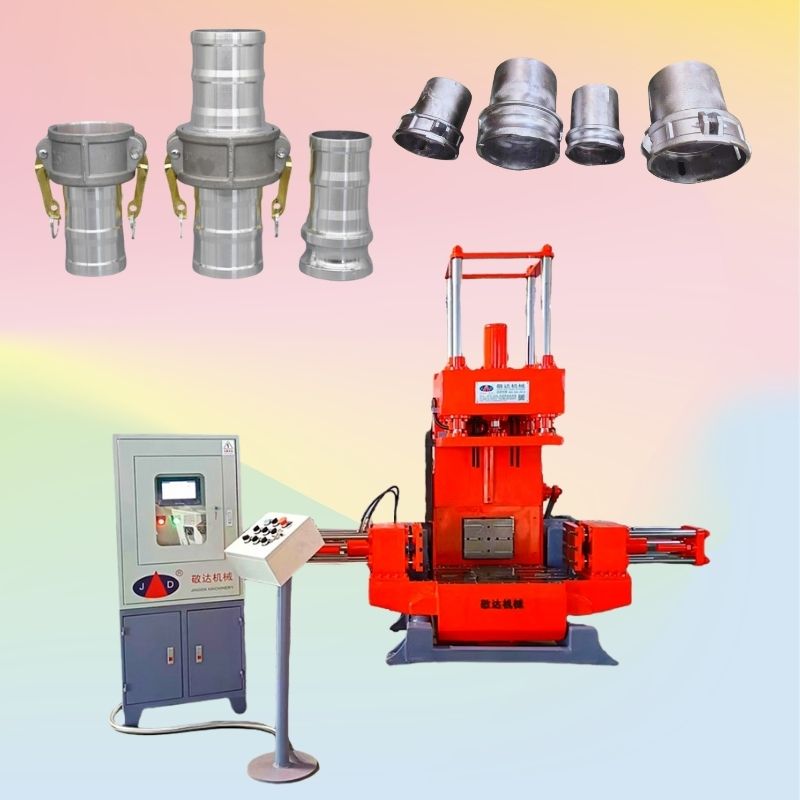
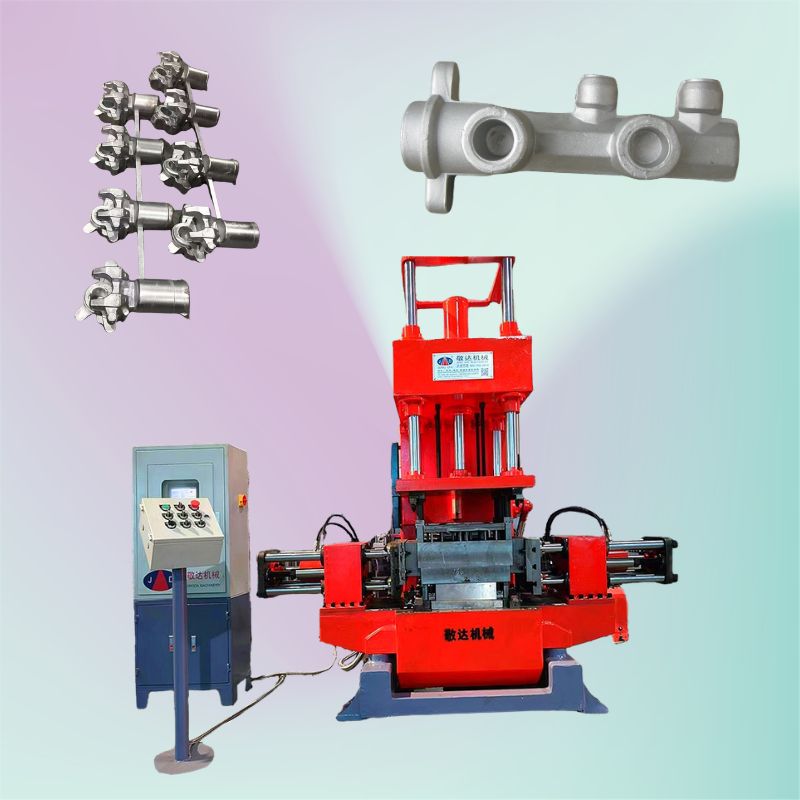
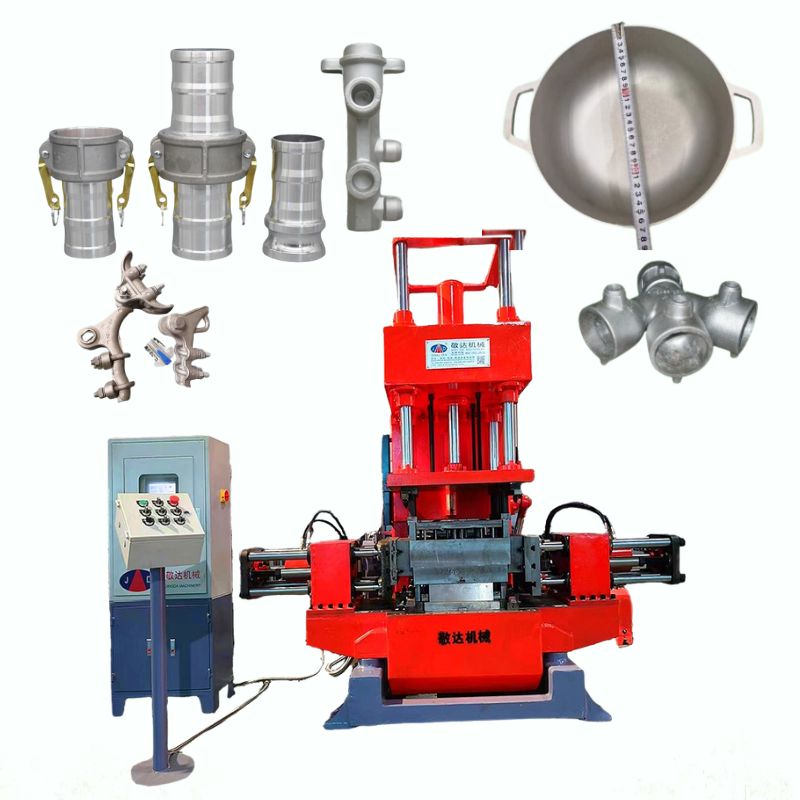
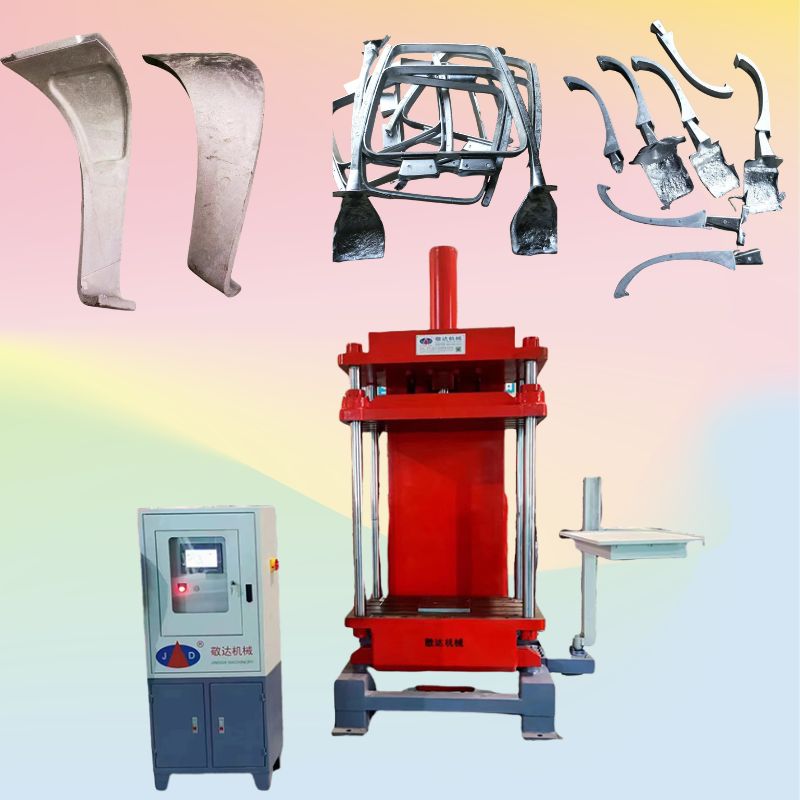
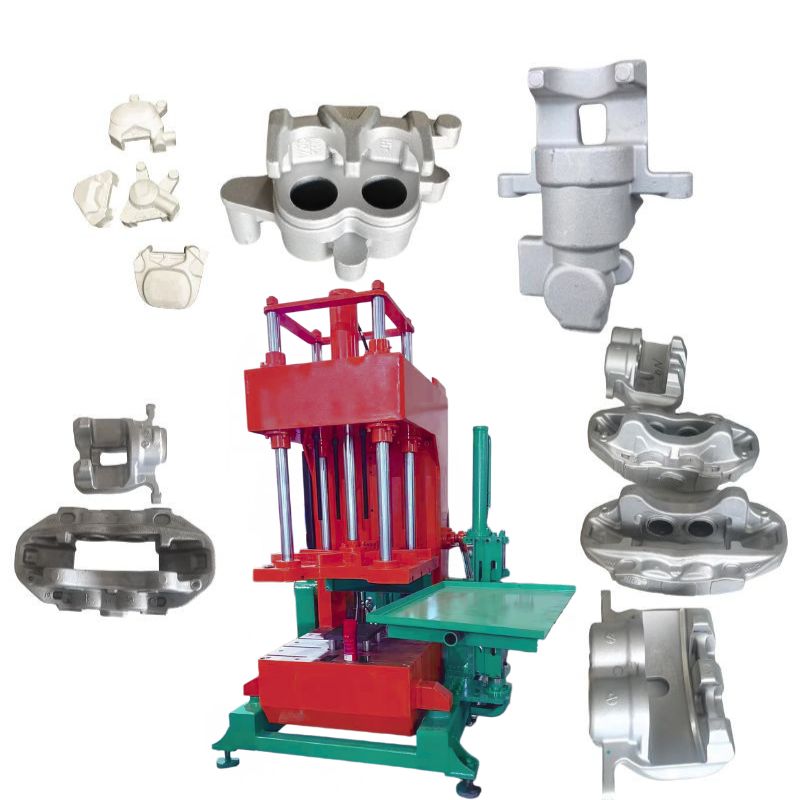
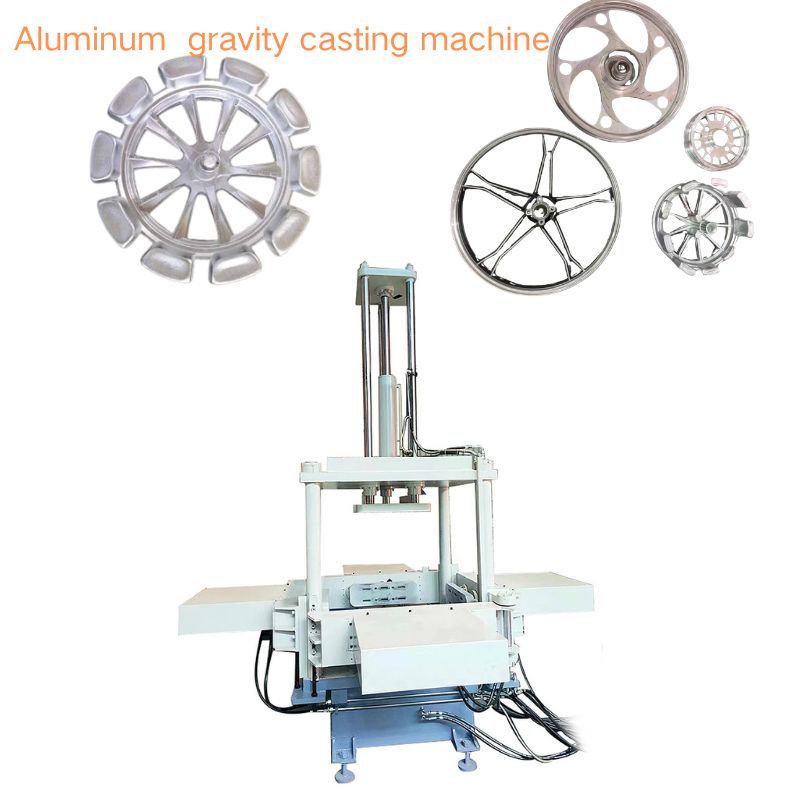
Furthermore, the process parameters of the gravity casting machine should be properly adjusted. For tilting gravity casting machines, controlling the tilting and pouring speed is key. A segmented pouring mode should be adopted: **slow initially, then faster, and finally slowing down again at the end.** Initially, the low tilting speed allows the molten aluminum to fill the cavity smoothly, giving the gas time to escape and preventing excessive flow that could cause the molten aluminum to churn and trap air. The speed is increased in the middle stage to ensure filling, and then slowed down again at the end of the pouring process to reduce impact and splashing. The mold opening and closing stroke must match the mold height to ensure sufficient mold opening space for easy spraying and venting. The gating system should allow the molten aluminum to fill the mold smoothly from bottom to top, minimizing spraying and turbulence.
Finally, standardize on-site operational details. Ladle tools must be dried to prevent operation while wet; maintain a continuous and stable flow of molten aluminum during casting, avoiding interruptions; properly filter the molten aluminum to prevent oxide slag from entering the mold cavity along with gas. For sand core products, ensure the sand core is fully dried, control the amount of gas generated from the sand core, and keep the sand core venting channels unobstructed. Conduct regular inspections during daily production, periodically confirming the degassing effect of the molten aluminum, mold venting, and the drying status of the spray coating.
In conclusion, porosity is not caused by a single factor. Molten aluminum degassing is fundamental, mold venting is crucial, and equipment casting speed control is key. Only by coordinating these three aspects can porosity defects be effectively reduced and the yield of castings improved.