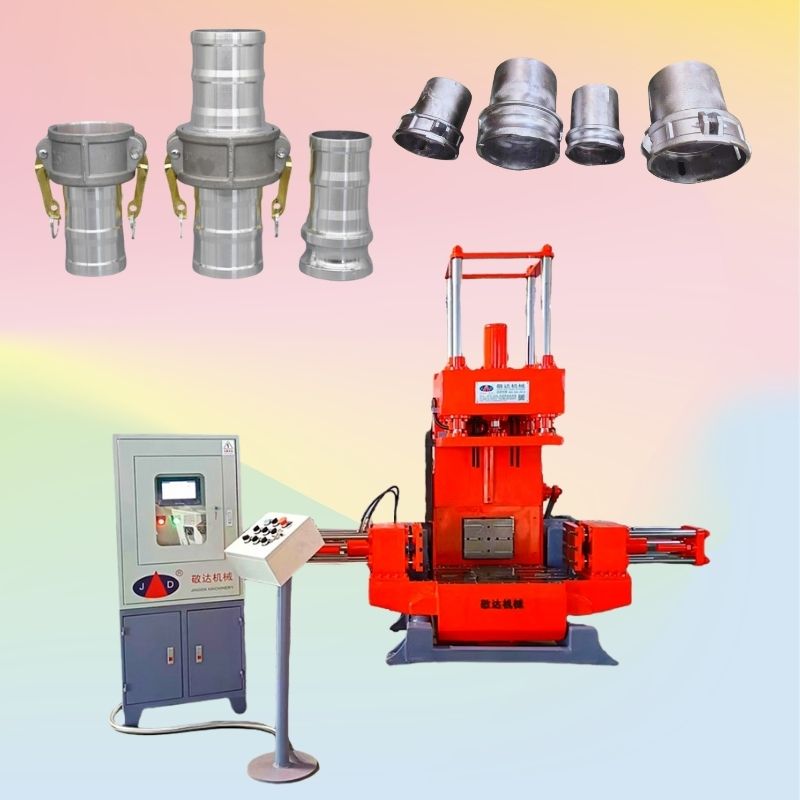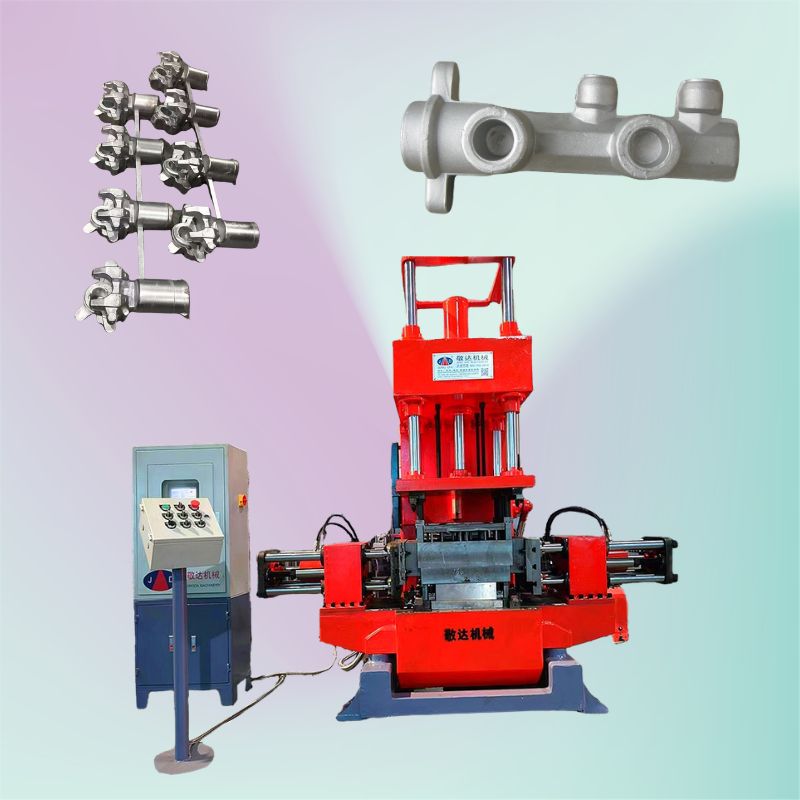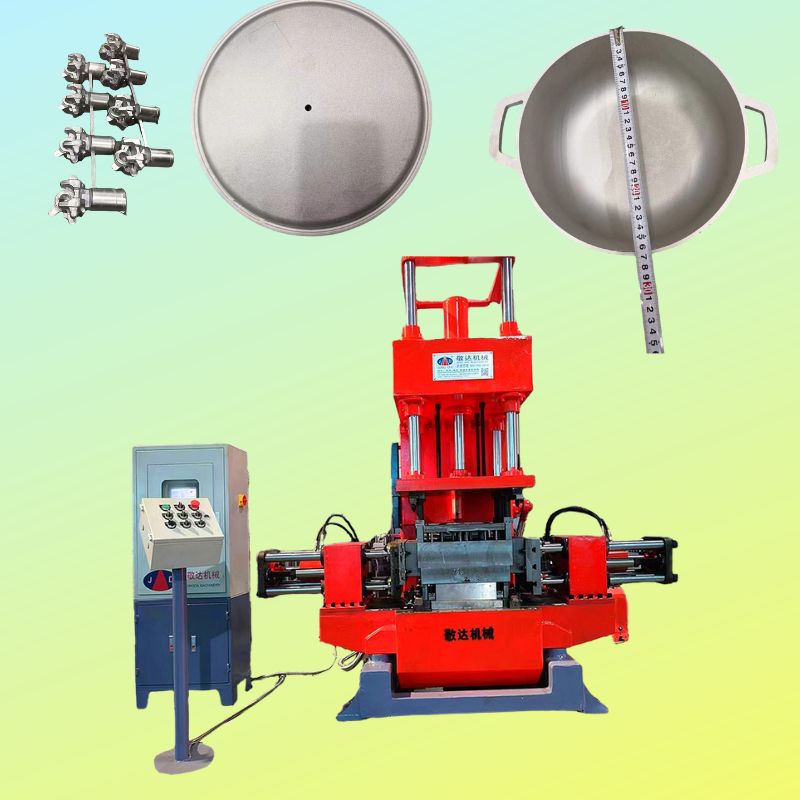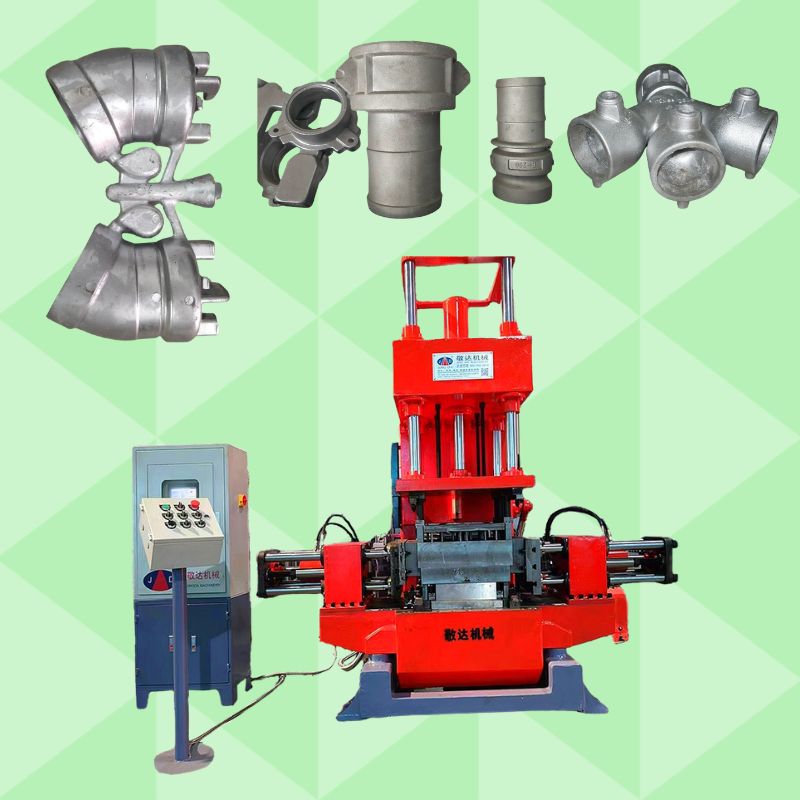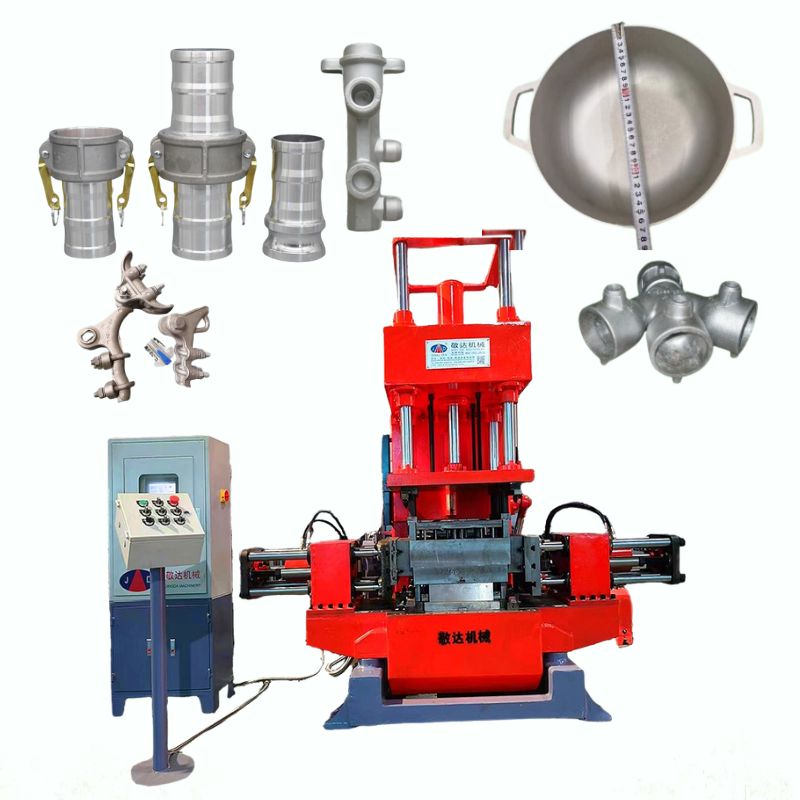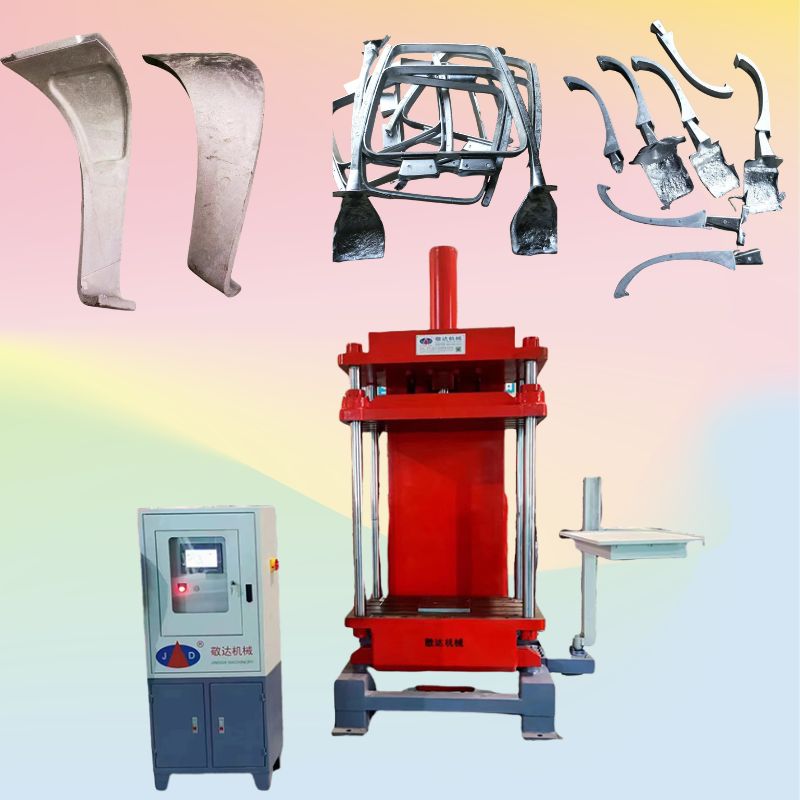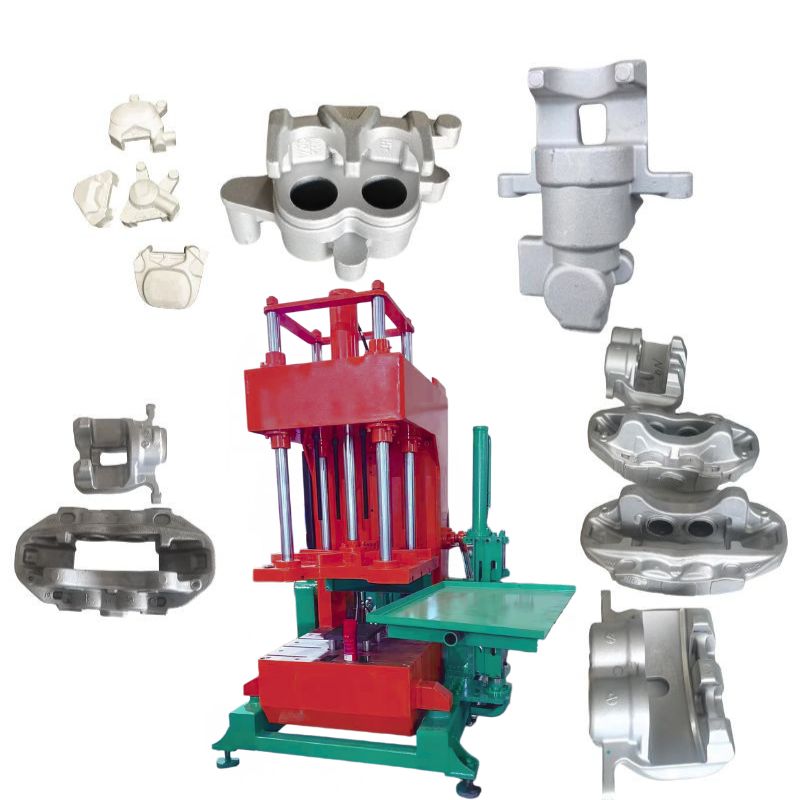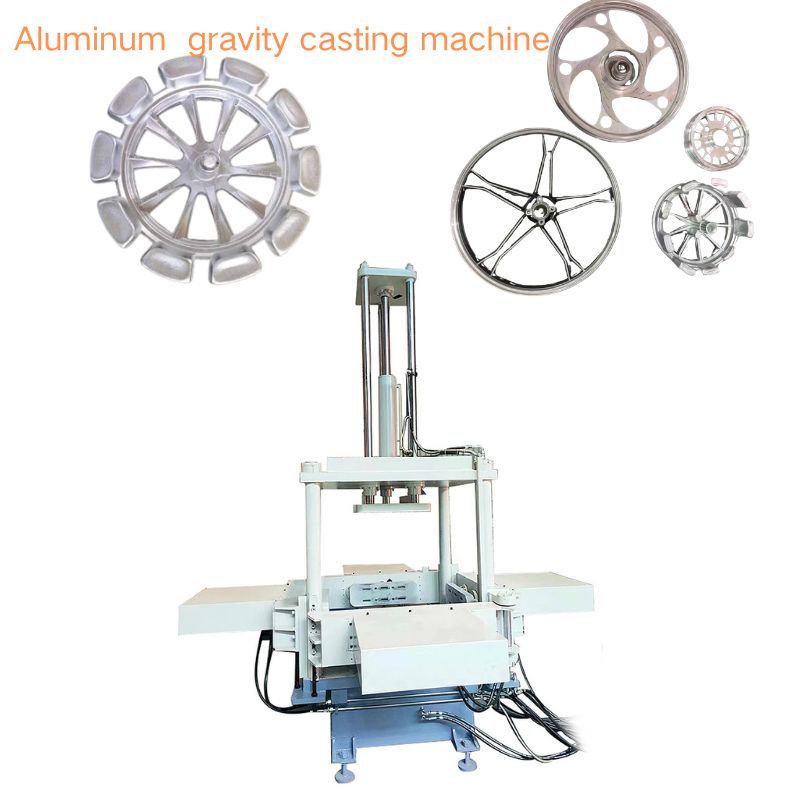


APA YANG SEDANG ANDA CARI?
Ketika OEM dan importir luar negeri mencari pemasok pengecoran paduan aluminium di Tiongkok, mereka sering dihadapkan pada pertanyaan umum: apakah produk saya harus diproduksi menggunakan pengecoran gravitasi atau pengecoran tekanan rendah? Keputusan ini memengaruhi desain cetakan, biaya produksi, dan kinerja komponen; memilih opsi yang tepat dapat menghasilkan peningkatan yang signifikan, sementara memilih opsi yang salah dapat mengakibatkan masalah kualitas yang berkelanjutan.
Sebagai pabrik pemasok yang mengkhususkan diri dalam proses pengecoran gravitasi dan pengecoran tekanan rendah untuk coran paduan aluminium, kami sering membantu klien dalam menganalisis skenario yang berlaku untuk kedua proses ini. Analisis berikut, baik dari karakteristik teknis maupun aplikasi praktis, membantu pembeli menetapkan logika pemilihan yang jelas.
Pengecoran Gravitasi: Pilihan Terbaik untuk Persyaratan Kepadatan Internal Tinggi
Pengecoran gravitasi mengandalkan berat aluminium cair itu sendiri untuk mengisi rongga cetakan dengan lancar. Kecepatan pengisian dapat dikontrol, dan kenaikan permukaan aluminium cair di dalam rongga stabil. Karakteristik proses ini memberikan keuntungan signifikan pada pengecoran gravitasi untuk komponen dengan persyaratan kedap udara yang tinggi.
Karakteristik Proses dan Skenario yang Berlaku:
• Struktur Internal Padat. Selama pengisian cetakan yang lancar dengan aluminium cair, gas di dalam rongga memiliki cukup waktu untuk keluar melalui saluran ventilasi, sehingga menghasilkan porositas dan kelonggaran yang lebih rendah di dalam coran. Untuk bagian yang membutuhkan kedap udara, seperti badan pompa, badan katup, dan komponen hidrolik, pengecoran gravitasi memudahkan untuk memenuhi standar pengujian tekanan.
* Cocok untuk rongga internal kompleks dengan inti pasir. Komponen industri dengan saluran aliran kompleks, seperti manifold intake, kepala silinder, dan lainnya, seringkali memerlukan pencetakan inti pasir. Pengecoran gravitasi memberikan pengisian yang stabil, mengurangi dampak pada inti pasir, dan mencegah pergeseran atau kerusakan inti, sehingga memastikan akurasi dimensi rongga internal yang lebih besar.
* Dimensi cetakan yang stabil. Cetakan pengecoran gravitasi mempertahankan dimensi rongga yang baik selama produksi jangka panjang. Dikombinasikan dengan proses pemesinan presisi CNC selanjutnya, komponen dapat memenuhi toleransi dimensi yang dibutuhkan oleh OEM.
* Kustomisasi fleksibel berdasarkan gambar dan sampel. Kami mendukung gambar dan sampel yang disediakan pelanggan untuk kustomisasi, mengembangkan segala sesuatu mulai dari cetakan prototipe rongga tunggal hingga cetakan produksi massal rongga ganda. Baik untuk uji coba batch kecil maupun pasokan volume besar, kami memiliki solusi cetakan yang sesuai.
Pengecoran tekanan rendah: Keseimbangan antara bagian berdinding tipis dan efisiensi produksi. Pengecoran tekanan rendah menggunakan gas terkompresi untuk menekan aluminium cair secara halus ke dalam rongga cetakan melalui pipa penambah tekanan. Tekanan pengisian yang dapat dikontrol memungkinkan aluminium cair untuk mengeras dan menyusut di bawah tekanan, menghasilkan struktur coran yang relatif padat.
Karakteristik Proses dan Skenario yang Berlaku:
* **Kemampuan yang kuat untuk membentuk bagian berdinding tipis:** Aluminium cair mengisi rongga cetakan di bawah tekanan, memastikan integritas pengisian yang tinggi di area berdinding tipis. Untuk bagian berdinding tipis seperti cangkang dan penutup, pengecoran tekanan rendah dapat menyeimbangkan integritas pembentukan dan efisiensi produksi.
* **Tingkat pemanfaatan material yang tinggi:** Pipa riser terhubung langsung ke gerbang cetakan, memungkinkan aluminium cair mengalir di dalam saluran tertutup, sehingga menghasilkan lebih sedikit inklusi oksida dan proporsi material daur ulang yang relatif rendah dalam sistem gerbang. Hal ini memberikan keuntungan biaya material dalam produksi massal.
Bagaimana cara memilih proses berdasarkan komponen Anda?
Jika Anda sedang mengevaluasi pemasok atau membuat prototipe produk, Anda dapat menentukan arah proses dari perspektif berikut:
| Fitur bagian | Proses yang direkomendasikan | alasan |
| Kedap udara diperlukan; inti pasir internal diperlukan. | Pengecoran gravitasi | Pengisian stabil, minimnya jebakan udara, dan minimnya pergeseran inti. |
| Ketebalan dinding tipis, tanpa inti pasir. | Pengecoran tekanan rendah | |
| Strukturnya kompleks, dengan saluran aliran di dalam rongga tersebut. | Pengecoran gravitasi | Pembentukan inti pasir bersifat fleksibel dan pengisiannya dapat dikendalikan. |
| Produk tipe cangkang dengan persyaratan penampilan yang tinggi. | Pengecoran tekanan rendah | Permukaan tersebut memiliki hasil akhir yang baik, sehingga cocok untuk proses selanjutnya. |
| Produksi dalam jumlah kecil, beragam variasi. | Pengecoran gravitasi | Biaya cetakan relatif terkendali, dan peralihan produksi bersifat fleksibel. |
| Skala besar, satu jenis | Keduanya dapat diterima. | Evaluasi masa pakai cetakan dan waktu siklus berdasarkan bagian-bagian tertentu. |